Gutter Replacement in Plymouth, MN
What Does Gutter Installation Cost in Plymouth, MN?
Gutter Guide
What Does Gutter Installation Cost in Plymouth, MN?
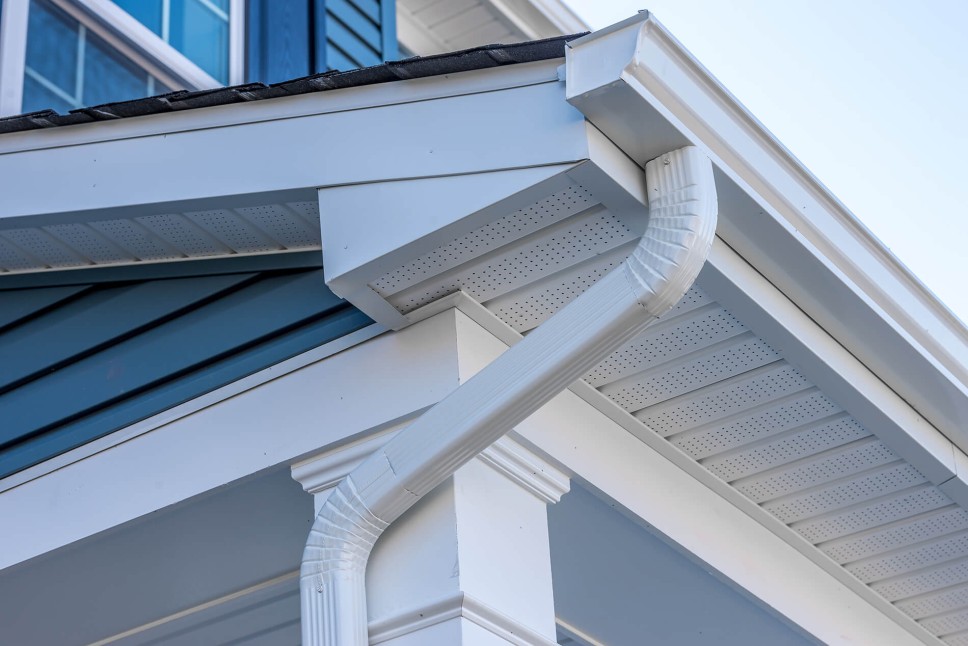
Gutters are one of the most important parts of your home's exterior drainage system.
They collect rainwater from the roof and direct it away from your siding, foundation, landscaping, and other areas where concentrated water can cause damage.
When gutters begin leaking, sagging, pulling away from the fascia, or overflowing, Plymouth homeowners often start looking into replacement costs.
The total cost of gutter installation depends on several factors, including the size of your home, total linear footage, gutter material, number of downspouts, roofline complexity, accessibility, and whether you add gutter guards.
This guide explains what goes into gutter installation pricing so you can better understand what you're paying for.
Free Roof Quote In 30 Seconds
Claim Your INSTANT Roof Quote Today
What Determines Gutter Installation Cost?
The biggest factors that affect gutter replacement pricing include:
Total linear feet
Gutter material
Seamless vs. sectional construction
Number of downspouts
Downspout size
Roofline complexity
Number of corners
Home height
Accessibility
Fascia condition
Gutter guards
Removal of existing gutters
A simple one-story home can have a very different installation cost than a two-story home with several rooflines and difficult-to-access areas.
How Gutter Length Affects Cost
Gutters are typically priced based on the amount of material needed around the roofline.
The longer the roofline, the more gutter material and installation labor are required.
This means a contractor generally needs to measure the home's exterior rather than estimating the cost based on interior square footage.
A 2,000-square-foot ranch and a 2,000-square-foot two-story home can require very different gutter systems.
Seamless vs. Sectional Gutters
One of the most common decisions homeowners make is whether to install seamless or sectional gutters.
Seamless Gutters
Seamless gutters are formed on-site to match the measurements of the home.
Because they have fewer seams, there are fewer potential leak points along the gutter run.
They also provide a clean, continuous appearance.
Seamless gutters typically cost more than basic sectional gutters because they require specialized equipment and on-site fabrication.
Sectional Gutters
Sectional gutters are manufactured in predetermined lengths and connected together during installation.
They can have more seams and connection points than seamless systems.
For many homeowners, seamless gutters are the preferred long-term option because of their appearance and reduced number of joints.
What Gutter Material Is Best?
Different gutter materials have different costs and characteristics.
Aluminum Gutters
Aluminum is one of the most common residential gutter materials.
It is lightweight, resistant to rust, available in many colors, and relatively easy to work with.
Steel Gutters
Steel provides additional strength and durability but is generally heavier and can cost more than aluminum.
Copper Gutters
Copper is a premium material often selected for higher-end homes and architectural projects.
It can develop a distinctive patina over time and generally carries a significantly higher upfront cost.
For many Plymouth homeowners, aluminum provides a practical balance between price, durability, appearance, and maintenance.
How Many Downspouts Does a Home Need?
The number of downspouts required depends on the size and configuration of the roof.
Downspouts need to handle the amount of water collected by the gutter system and direct it away from the home's foundation.
A gutter system with too few or improperly positioned downspouts may struggle during heavy Minnesota rainfall.
Adding downspouts can increase the total project cost, but proper drainage is more important than simply minimizing the number of components.
How Roof Design Affects Gutter Cost
Your roofline can have a major effect on installation complexity.
Homes with:
Multiple roof sections
Numerous corners
Dormers
Valleys
High elevations
Complex roof transitions
may require more detailed gutter work.
A simple ranch with long, straight gutter runs is generally easier to install than a large two-story home with multiple rooflines.
A Process Built On Transparency
Safer Homes & Happier Families In Just 4 Steps
1. Get In Touch With Our Team
Give us a call, fill out a contact form to request an inspection or get an instant quote for your roof today! Once we understand more about your project, one of our expert team members will come out to inspect your home!
2. Initial Inspection & Documentation
Your dedicated exterior expert will walk your property with you, inspect your roof, and document all findings. They will then sit down with you and walk you through the next steps specific to your situation, as well as timelines, ensuring you're left without any questions unanswered!
3. Build Day: What To Expect
Your assigned project manager will be on-site to manage your build from start to finish. Our in-house crews are fully-trained and certified by industry leading manufacturers so you can rest easy knowing your home is in good hands!
4. Quality Clean-Up & On-Going Support
Following your installation, we will run a triple magnetic sweep to ensure the only thing left behind is a beautiful new home! After your final walk-through you will be granted access to our quality assurance department, because we don't believe the job ends here. If there's anything we can help with in the future, you automatically jump to the front of the line!
Frequently Asked Questions
Common Questions Your Neighbors Are Asking
Do Gutter Guards Increase Installation Cost?
Yes.
Gutter guards are an additional product installed over or within the gutter system to reduce the amount of leaves and debris entering the gutters.
They increase the upfront project cost but can reduce the frequency of gutter cleaning.
Gutter guards do not make a gutter system maintenance-free. Debris can still accumulate on top of the guards or around roof valleys and downspouts.
Whether they make sense depends heavily on the trees surrounding your property and how much maintenance you want to perform.
Can Fascia Damage Increase the Cost?
Yes.
Gutters are attached to the fascia along the edge of the roof.
If old gutters have leaked or pulled away from the home, the fascia may be deteriorated.
Before installing new gutters, damaged fascia may need to be repaired or replaced so the new gutter system has a secure attachment point.
This is one reason it is important to inspect the existing system before providing a final estimate.
What Does Gutter Installation Labor Include?
Professional gutter installation typically involves:
Measuring the roofline
Removing existing gutters
Inspecting the fascia
Fabricating seamless gutter sections
Installing hangers
Establishing proper slope
Installing downspouts
Sealing connections
Directing water away from the foundation
Cleaning the work area
Proper slope is particularly important.
Gutters that are too flat can hold standing water, while gutters with improper slope may drain toward the wrong location.
How Long Does Gutter Installation Take?
Many standard residential gutter replacement projects can be completed in one day.
Larger homes, complex rooflines, difficult access, fascia repairs, and gutter guard installation can extend the project timeline.
The actual installation time is usually much shorter than the overall planning and scheduling process.
When Should You Replace Your Gutters?
Some common signs that your gutters may need replacement include:
Sagging gutters
Water overflowing
Cracks
Holes
Rust
Loose fasteners
Gutters pulling away from the house
Water pooling near the foundation
Repeated leaks
Staining on siding
Damaged fascia
If the system requires frequent repairs, replacing the gutters may make more sense than continuing to repair individual sections.
Can Homeowners Insurance Pay for New Gutters?
Insurance may cover gutter replacement when damage results from a covered event such as hail or wind.
Coverage depends on the policy and the documented cause and extent of the damage.
A storm inspection should look at the entire exterior because gutters are often damaged alongside:
Roofing
Siding
Windows
Soffit
Fascia
Exterior trim
Documenting the entire exterior can help establish the complete scope of a storm-damage project.
Should You Replace Gutters When Replacing Your Roof?
Sometimes.
If your gutters are already damaged, aging, or poorly functioning, replacing them during a roofing project can make sense.
Coordinating the two projects can also simplify the work around the roof edge and fascia.
However, if your existing gutters are in good condition and properly functioning, replacing them simply because the roof is being replaced may not be necessary.
Taking The Headache Out Of Home Improvements
Local Service Areas
Building A Brighter Future For The Greater Twin Cities

Quick links
MN License #BC646808
Copyright 2026. Proof Builders Co. All rights reserved.