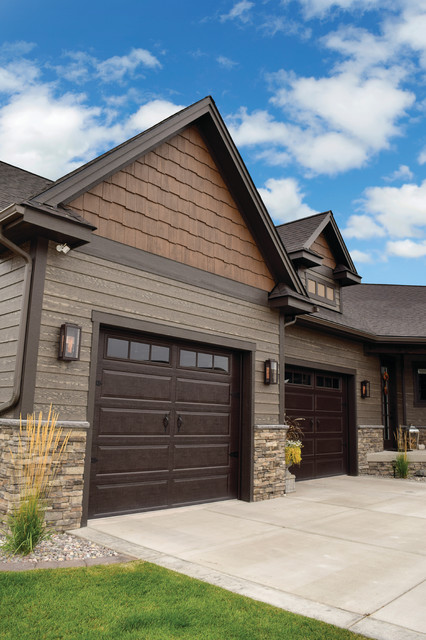
Siding Replacement in Plymouth, MN
Siding Repair or Replacement: How to Know Which One You Need
Siding replacement vs Repair
Siding Repair vs Full Replacement Plymouth MN: Age, Damage, and the Color Match Problem
Siding repair makes sense when damage is isolated to a small number of panels, the existing siding is less than 15 years old, and color matching is feasible. Replacement makes sense when damage is widespread, the siding is approaching or past the end of its designed lifespan, moisture has entered the wall cavity, or color matching is not achievable because the existing product has faded or been discontinued. When storm damage is covered by insurance, the economics of repair versus replacement shift the same way they do for roofing: the insurer pays for what the scope approves, and a complete scope often favors replacement over patching.
Free Roof Quote In 30 Seconds
Claim Your INSTANT Roof Quote Today
The Color Match Problem: Why It Changes the Calculation
Color matching is the variable in siding repair decisions that most homeowners underestimate before they get into it: Vinyl siding fades unevenly over years of UV exposure, and the south and west elevations of a Plymouth home typically show significantly more color shift than the north and east elevations after a decade of Minnesota sun. When new panels are installed alongside existing material, the difference between the new and the aged panels is often visible from the street.
The severity of the mismatch depends on three factors: the age of the existing siding, the degree of UV exposure on the affected elevation, and whether the exact product line is still in production. Many vinyl siding profiles and colors from the late 1990s and early 2000s have been discontinued or reformulated. A contractor who tells you they can guarantee a seamless match on 15-year-old faded vinyl without seeing the existing material first is overpromising.
Fiber cement and LP SmartSide: in painted finishes are more matchable in repair situations because the finish is paint, and paint can be color-matched to the existing surface. The challenge shifts from matching the product itself to matching the current color of a painted surface that has experienced years of UV exposure, which is a different but sometimes equally challenging problem.
Age and Condition Framework
Siding under 15 years old with isolated damage in a small area is generally a repair candidate if color matching is feasible. The material has significant designed life remaining, the surrounding panels are in good condition, and a well-executed repair restores the function of the exterior system without the cost of full replacement.
Siding that is 20 years or older with any meaningful damage is approaching the category where repair extends the life of a system that is already in its final phase. Vinyl siding designed for 25 to 30 years performs well for most of that range but shows visible degradation in flexibility, color, and impact resistance in its final years. Repairing isolated sections on a system that is already near end of designed life produces a patchwork result with mismatched age and condition across the exterior.
Siding with evidence of moisture behind the panels is a different situation regardless of age. When moisture has entered the wall cavity, the repair scope expands beyond the visible siding damage to include housewrap assessment, potential sheathing replacement, and flashing correction at the entry point. A siding repair that addresses the surface panels without addressing the moisture source will produce a recurrence of the problem within two to four years.
What Widespread Storm Damage Does to the Repair vs Replacement Calculation
When hail affects multiple elevations of a Plymouth home, the scope of damage typically shifts the repair versus replacement decision toward replacement for reasons similar to the roofing calculation. Hail damage across three or four elevations means the insurance claim is covering nearly full-home material replacement anyway, and coordinating multiple repair sections to match across all elevations is more labor-intensive and less visually consistent than full replacement.
The supplement process matters here as well. An adjuster who sees isolated panel damage on the south elevation and prices only those panels may be missing the full extent of damage on other elevations and on the soffit, fascia, and trim components. A thorough inspection before the adjuster visit documents every elevation and every component so the initial scope is as complete as possible.
HOA and Neighborhood Considerations
Plymouth has a significant number of townhome communities and HOA-governed neighborhoods where siding must match across the building or community. In these situations, the repair versus replacement decision is often made for the homeowner: partial repairs that do not match the community standard require board approval, and non-conforming repairs can result in mandatory removal and reinstallation. Homeowners in HOA communities should confirm the association's siding specifications, color requirements, and repair versus replacement policies before signing any siding contract.
WHAT THIS MEANS FOR YOU
The three questions that determine whether repair or replacement is right for your Plymouth siding: how old is the existing material and how much designed life does it have left, is color matching feasible on your specific product and elevation, and has moisture entered the wall cavity behind the damaged panels. If the answer to any of these points toward replacement, repair is unlikely to produce a satisfying result over the long term.
HOW PROOF BUILDERS APPROACHES THIS
Proof Builders assesses the existing siding condition, the feasibility of color matching, and the moisture condition behind damaged panels before recommending repair or replacement. On storm damage assessments, we document every elevation and component and give the homeowner an honest assessment of what matching the existing material is likely to look like before any work begins.
A Process Built On Transparency
Bringing Your Home Back To Life In 5 Steps
1. Full Exterior Assessment
We assess every exterior surface in the scope, not just the siding panels. Soffit, fascia, window surrounds, corner posts, and any aluminum trim components are inspected for impact damage alongside the field panels. On homes where the roof is also being replaced, the siding and roof assessment happen in the same visit so the complete exterior scope is documented together before any insurance estimate is written.
2. Documentation & Scope Submission
Our siding assessments are organized by component category with photographs attached to each line item. When the adjuster's scope comes back, we review it against our documentation and identify any components that were missed or undervalued. This is the step that produces the supplement when the initial scope does not reflect the full extent of what the storm actually did to the exterior.
3. Material Selection
Proof Builders installs vinyl, EDCO Steel, LP SmartSide engineered wood, and fiber cement including James Hardie profiles, and can advise on which material best fits the home's exposure, the community's color requirements, and the homeowner's maintenance preferences. All three material types carry manufacturer warranties and all are appropriate for Plymouth's climate when installed correctly.
4. Build Day & Brand-New Siding Reveal
Siding removal reveals the condition of the housewrap or felt paper beneath. Where the existing moisture barrier is torn, compressed, or deteriorated, it is replaced before new siding goes on. The single most common failure point in siding installations is the weather barrier and flashing detail at windows and door openings. Every window opening is flashed before siding is cut and locked into place around it. This step is where shortcuts produce the moisture intrusion problems that appear two to four years after installation.
5. Quality Clean-Up & On-Going Support
After installation we walk the full perimeter and document the completed system. All manufacturer warranty paperwork is provided to the homeowner at close of job along with installation photographs. For projects covered by insurance, we coordinate final documentation with the claim timeline so the homeowner has a complete record for both the warranty and the claim file.
Frequently Asked Questions
Common Questions Your Neighbors Are Asking
Can you match old vinyl siding in Plymouth MN?
Sometimes. The feasibility depends on how old the existing siding is, the degree of UV fading on the affected elevation, and whether the exact product line is still in production. Vinyl siding from the late 1990s and early 2000s is frequently discontinued or reformulated, making true matches difficult or impossible. On south and west elevations that have seen heavy sun exposure for 15 or more years, even in-production replacement panels will show visible color difference from the aged surrounding material. A contractor who sees the existing siding can give you an honest assessment of matching feasibility before work begins.
How much does siding repair cost in Plymouth MN?
Minor siding repairs covering a small number of damaged panels typically run $460 to $1,800 depending on the material, the number of panels affected, the elevation access, and the complexity of the surrounding trim. Color matching work or blending adjacent panels to minimize visual contrast can add to the repair cost. When repair costs approach 20 to 25 percent of full replacement cost, and when the existing siding is approaching end of lifespan, the financial case for repair versus replacement weakens considerably.
What happens if I just repair siding that has moisture damage behind it?
Repairing the surface panels without addressing the moisture source and any resulting sheathing or housewrap damage produces a cosmetically improved result that will fail again within two to four years as moisture continues to enter through the unaddressed entry point. In Minnesota's freeze-thaw climate, moisture behind siding that is not remediated can cause progressive sheathing damage that significantly increases the scope and cost of the eventual full repair. A contractor who identifies moisture during an inspection and recommends addressing it as part of the scope is giving you accurate advice, not upselling.
Can you repair just the damaged siding panels, or do I need full replacement?
It depends on the extent of damage, whether the original siding profile and color are still available, and what your policy's matching provisions allow. We'll always present the most cost-effective option that meets code and your insurer's requirements, along with a full-replacement option if a true match isn't achievable.
Taking The Headache Out Of Home Improvements
Local Service Areas
Building A Brighter Future For The Greater Twin Cities

Quick links
MN License #BC646808
Copyright 2026. Proof Builders Co. All rights reserved.